
Property assessment
Start with building layouts, exterior materials, access points, staining, water access, landscaping, and special concerns.
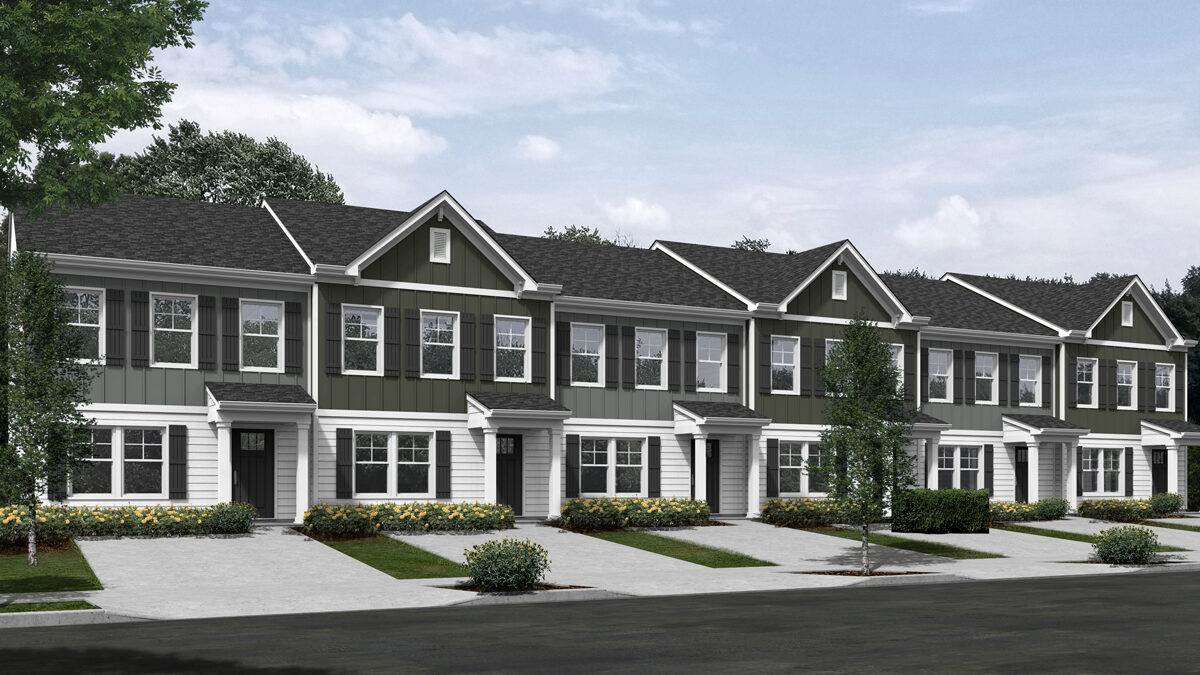
HOA · Townhome · Carriage Home · Multifamily
Blue Splash Soft Washing helps HOA boards, community managers, and property-management teams start with the property, define a clear scope, and plan around the realities of an occupied community.
Community-scale thinking
A community-wide exterior cleaning project adds scope decisions, resident preparation, access, landscaping, sequencing, and the need for consistent results from the first building to the last.
Start with building layouts, exterior materials, access points, staining, water access, landscaping, and special concerns.
Define the elevations and areas under consideration, plus exclusions, assumptions, and optional work.
Discuss a logical service order by building, street, phase, or section based on the property.
Account for vehicles, pets, packages, patio items, windows, doors, visitors, and occupied routines.
Choose a surface-appropriate method and a scope that supports a uniform community appearance.
Close the project conversation against the scope that management and the board approved.
Focused property experience
The division leads with townhome and carriage-home communities while remaining relevant to HOA associations and selected managed multifamily properties.
01
Attached units, repeated elevations, garages, shared architectural elements, and community-wide visual consistency.
Explore townhome cleaning02
Clustered homes, closely spaced residences, mixed materials, garages, and association-maintained surfaces beside resident-controlled spaces.
03
Exterior-cleaning conversations structured for a manager, board, defined scope, and community-wide decision.
Explore HOA cleaning04
A secondary fit for properties that need a thoughtful exterior-building assessment and a clear management conversation.
Surface-appropriate cleaning
Soft washing uses appropriately selected cleaning chemistry, dwell time, and low-pressure application or rinsing for sensitive exterior surfaces. Durable hardscape may call for controlled pressure or surface cleaning instead.
Low-pressure approach
Siding, painted finishes, trim, soffits, and other sensitive exterior elements should be evaluated before choosing pressure and process.
Controlled pressure
Concrete and other durable surfaces require their own assessment. Calling every method “soft washing” is no more accurate than treating every surface with high pressure.
Materials to evaluate
Why a community specialist
A serious community conversation should reduce management burden before equipment arrives at the property.
Discuss the whole property rather than treating each address like a separate retail transaction.
Match low-pressure methods to sensitive exterior materials instead of using pressure as the default answer.
Bring buildings, phases, resident considerations, and management requirements into one scope conversation.
Separate facade methods from the controlled cleaning methods suitable for durable surfaces.
Recognize that cars, pets, children, packages, decorations, open windows, and daily schedules affect the plan.
Make inclusions, exclusions, assumptions, options, price, and next steps understandable to decision-makers.
Give management one property-focused place to explain concerns, timing, and approval needs.
Plan for a result that looks intentional across shared architecture and repeated building elevations.
How community projects work
The exact plan depends on the property. These six steps give a manager and board a useful framework for defining the conversation.
Review layout, buildings, surfaces, staining, elevations, water access, landscaping, resident access, and special concerns.
Clarify included areas, optional areas, exclusions, assumptions, sequencing, and pricing structure.
Discuss buildings, streets, phases, service order, resident considerations, and management requirements.
Prepare clear guidance around windows, doors, vehicles, patios, furniture, pets, and access where relevant.
Use the method selected for each exterior surface and work systematically against the approved scope.
Confirm the agreed scope before the project conversation closes.
Board-ready decisions
A useful proposal should reduce the manager's work by making the project understandable to both day-to-day management and volunteer decision-makers.
Start with the propertyLong-term maintenance
There is no responsible universal washing interval. An assessment can consider the exposures that cause different buildings and elevations to change at different rates.
Local conversation
Blue Splash is based at 4256 Spadefoot Ct in Lancaster, South Carolina, and its existing residential positioning centers on Indian Land. Managers elsewhere in the surrounding market can share a property address so service fit can be confirmed rather than assumed.
Share a property addressPractical answers
Community decisions deserve measured answers. Property-specific details are confirmed during the assessment conversation.
Yes. The community-assessment form is designed for managers and boards to describe multiple buildings, approximate units, materials, areas of concern, timing, and the approval process. A property-specific conversation determines fit and scope.
Pricing depends on the property, buildings, elevations, materials, staining, access, included areas, and sequencing. Blue Splash begins with a property assessment rather than applying an individual-home price to a community.
The assessment collects who approves the proposal and the information needed for a clear scope conversation. Exact proposal documents and supporting materials are confirmed with Blue Splash for the property.
No. Low pressure is appropriate for many sensitive facade materials, while durable hardscape may require controlled pressure or surface cleaning. The method should follow the surface and scope.
Preparation may include closing windows and doors, moving vehicles or patio items where requested, securing pets, and addressing access concerns. Property-specific instructions belong in the approved project plan.
Yes. The assessment asks whether recurring options should be considered. Any sensible interval depends on shade, moisture, orientation, materials, growth history, and community expectations.
No. It starts a property-specific conversation. It is not a booking, project price, or response-time guarantee.
Start with the property
Whether you are planning maintenance, preparing an RFP, presenting options to a board, or simply defining what the property needs, start with a walkthrough conversation and a clear scope.
Townhomes · Carriage homes · HOA communities · Managed residential properties