
One defined scope
List included elevations and areas, exclusions, optional work, assumptions, and property responsibilities.
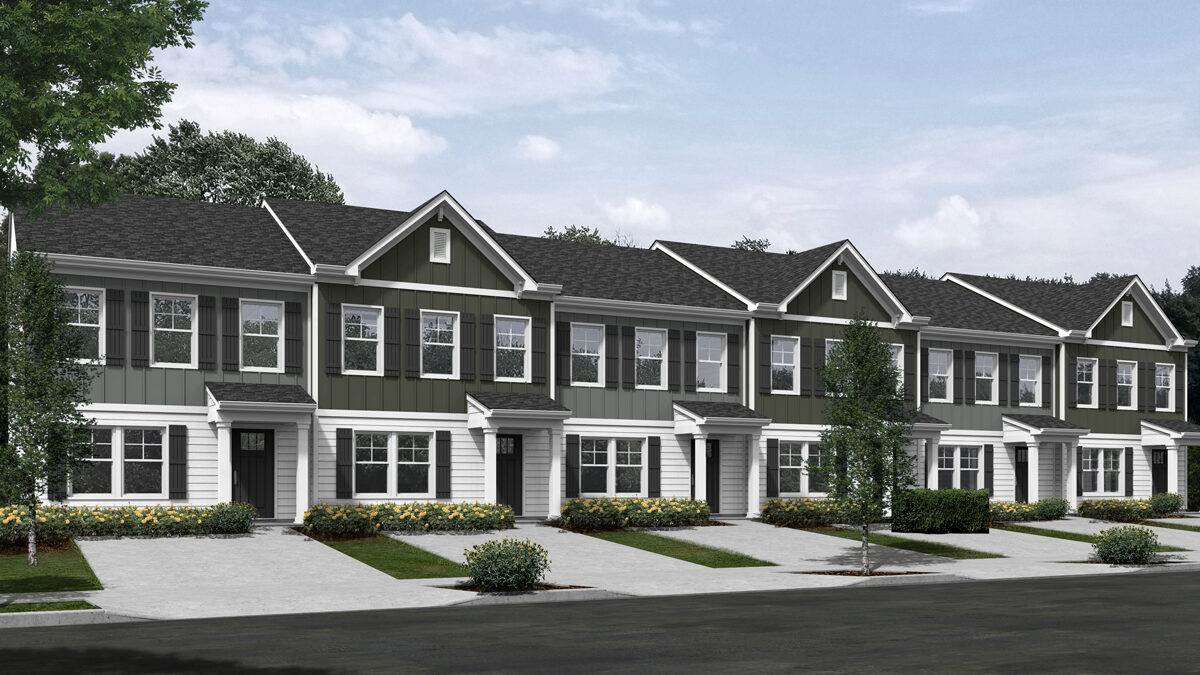
For HOA boards and community managers
Give the manager and board one property-focused conversation: what needs attention, which areas belong in the scope, how resident realities affect planning, and what decision comes next.
Reduce the management burden
The board needs to understand what it is approving. The manager needs to know what must be coordinated. Residents need preparation that reflects the actual work areas.
List included elevations and areas, exclusions, optional work, assumptions, and property responsibilities.
Keep management concerns, board questions, timing, access, and preparation in one property record.
Tie pricing to the agreed property scope instead of an unexplained community total.
Plan instructions around the areas and timing approved for the property without generic blanket notices.
Explain where low pressure belongs and where durable surfaces call for controlled pressure.
Use the approved inclusions and exclusions as the reference point for closing the project conversation.
Questions worth answering
A board-ready conversation should answer the practical questions behind approval.
Start with the propertyHow community projects work
The exact plan depends on the property. These six steps give a manager and board a useful framework for defining the conversation.
Review layout, buildings, surfaces, staining, elevations, water access, landscaping, resident access, and special concerns.
Clarify included areas, optional areas, exclusions, assumptions, sequencing, and pricing structure.
Discuss buildings, streets, phases, service order, resident considerations, and management requirements.
Prepare clear guidance around windows, doors, vehicles, patios, furniture, pets, and access where relevant.
Use the method selected for each exterior surface and work systematically against the approved scope.
Confirm the agreed scope before the project conversation closes.
Practical answers
Community decisions deserve measured answers. Property-specific details are confirmed during the assessment conversation.
The assessment is built to collect the property, scope, approval, and timing information a board conversation needs. Exact proposal format and supporting documents are confirmed directly for the property.
Yes. Phasing can be raised during assessment and proposal discussion. Layout, appearance goals, access, and budget decisions determine whether a phased option makes sense.
Management should determine the communication channel used for its community. Blue Splash can discuss preparation topics during planning, but this site does not claim that Blue Splash directly distributes resident notices.
Recurring interest is part of the assessment. A sensible maintenance conversation considers shade, moisture, orientation, exterior materials, prior growth, and community expectations.
Documentation such as insurance or tax forms should be requested directly. This site does not publish availability until Blue Splash confirms each document.
Prepare the board conversation
Share the community, approximate scale, areas under consideration, approval path, and timing. Blue Splash can begin with the property rather than a generic commercial estimate.
Townhomes · Carriage homes · HOA communities · Managed residential properties